
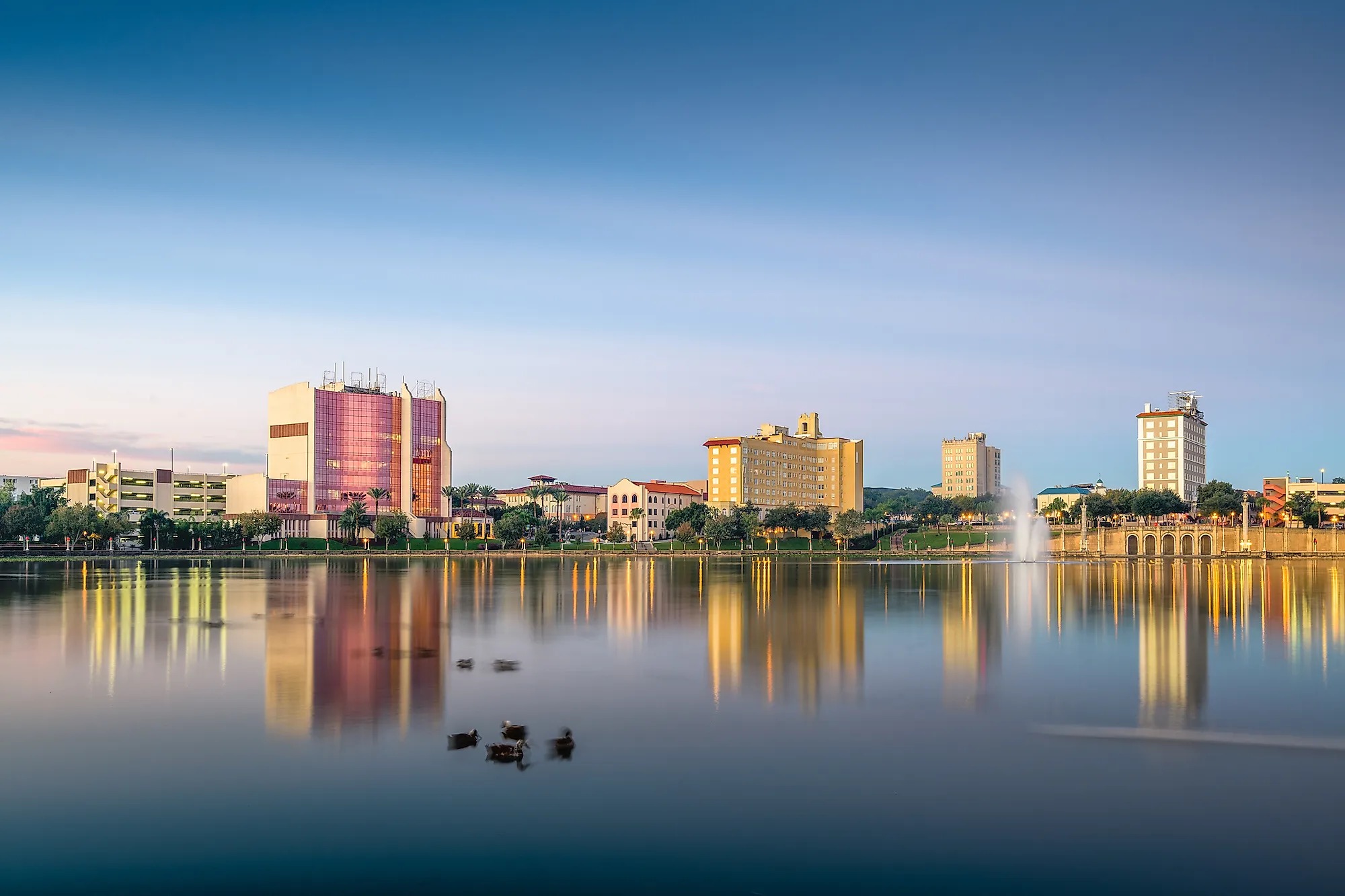
Lakeland, FL

Locations / Lakeland, FL

Lakeland, FL Exhibit Support

Lakeland sits on the I-4 corridor roughly midway between Tampa and Orlando, which puts exhibitors here closer to a highway interchange than to a downtown hotel block. Firms based near Florida Southern College or the Publix corporate offices typically drive to the Tampa Convention Center rather than fly, and that changes how a booth build gets scheduled.

Lakeland, FLTampa Convention Center
Market zoneI-4 Corridor, Polk County
Nearby venue anchorTampa Convention Center
Planning focusHighway drive scheduling, not hotel-block timing

Lakeland exhibitors rarely fly into a show. The city sits on I-4 about thirty-five miles east of downtown Tampa, close enough that a loaded box truck or a company van makes more sense than shipping through freight and picking up on-site. That changes the planning conversation early: instead of coordinating around a flight and a hotel check-in, the schedule revolves around a departure time, expected I-4 traffic through Plant City, and a firm load-in window at the dock.

The city also has its own venue history. RP Funding Center, long known locally as The Lakeland Center, hosts regional trade shows and consumer expos on a smaller footprint than Tampa's downtown hall. Exhibitors who have built booths there sometimes assume Tampa Convention Center loading rules will feel similar. They do not. Dock scheduling, drayage handoffs, and union labor jurisdiction downtown run on a different set of rules than a mid-size regional center, and that gap is worth covering before a truck leaves Lakeland.
A short drive sounds like an advantage, and it usually is, but it also tempts exhibitors to under-plan. Teams that fly in build in buffer time almost automatically. Teams driving from Lakeland sometimes leave the same morning as the show opens, which leaves no room for an accident on I-4, a closed lane near the Selmon Expressway interchange, or a dock that is running behind schedule.

The fix is not complicated. Building a same-day drive schedule around a fixed load-in appointment, confirming dock hours the week before, and keeping a printed contact sheet for the marshaling yard solves most of what goes wrong. Exhibitors who treat the short drive as a reason to plan less are the ones who end up parked on the shoulder with an open pallet and a missed appointment.

Lakeland's economy still carries its citrus and agricultural packing history alongside a large logistics and distribution base concentrated along the I-4 corridor. Companies exhibiting out of Lakeland tend to be manufacturing, packaging, agricultural technology, or freight-adjacent businesses that already own or lease warehouse space and understand pallet handling. That background is an asset on a show floor: crews used to loading dock discipline adapt quickly to convention-center drayage rules once they know what to expect.

It also means booth designs coming out of Lakeland skew practical. Fewer custom laminate builds, more modular systems that survive repeated loading and a bumpy highway ride. That is not a limitation so much as a fit between the local business base and a booth program built to travel well.

Because most Lakeland exhibitors drive in same-day rather than staying downtown, staffing a multi-day show works differently than it does for an out-of-town team with a hotel block already covering overnight coverage. A Lakeland crew needs a real rotation plan, since asking the same two people to drive an hour round trip after a full show day and repeat it the next morning wears a team down fast by the second or third day.

The practical fix is treating the drive itself as part of the staffing schedule rather than an afterthought. Building in a later start on multi-day shows, splitting the team into shifts that don't all drive at once, and keeping a backup driver on the list covers the gap that a hotel-based exhibitor doesn't have to think about at all.

How far is the drive from Lakeland to the Tampa Convention Center?

It runs about thirty-five to forty miles on I-4 and then a short stretch of surface streets or the Selmon Expressway into downtown, typically forty-five minutes to over an hour depending on traffic through the Plant City and Brandon stretch of I-4.

Is it better to drive a booth from Lakeland or ship it as freight?

For most single-vehicle loads under a box truck's capacity, driving direct avoids drayage fees and handoff delays. Larger builds with multiple crates still move more reliably through the show's official freight carrier, since dock scheduling downtown favors carriers already on the marshaling yard list.

Does RP Funding Center experience translate to Tampa Convention Center load-in?

Only partly. Dock access, labor jurisdiction, and drayage handoff rules downtown differ from a regional center like RP Funding Center, so it is worth confirming the exhibitor manual rather than assuming the same routine applies.

What kind of exhibit works best for a short highway trip from Lakeland?

Modular, reusable systems that pack flat and tolerate a highway ride hold up better over repeated shows than fragile custom laminate builds, especially for teams driving their own booth rather than shipping it as freight.

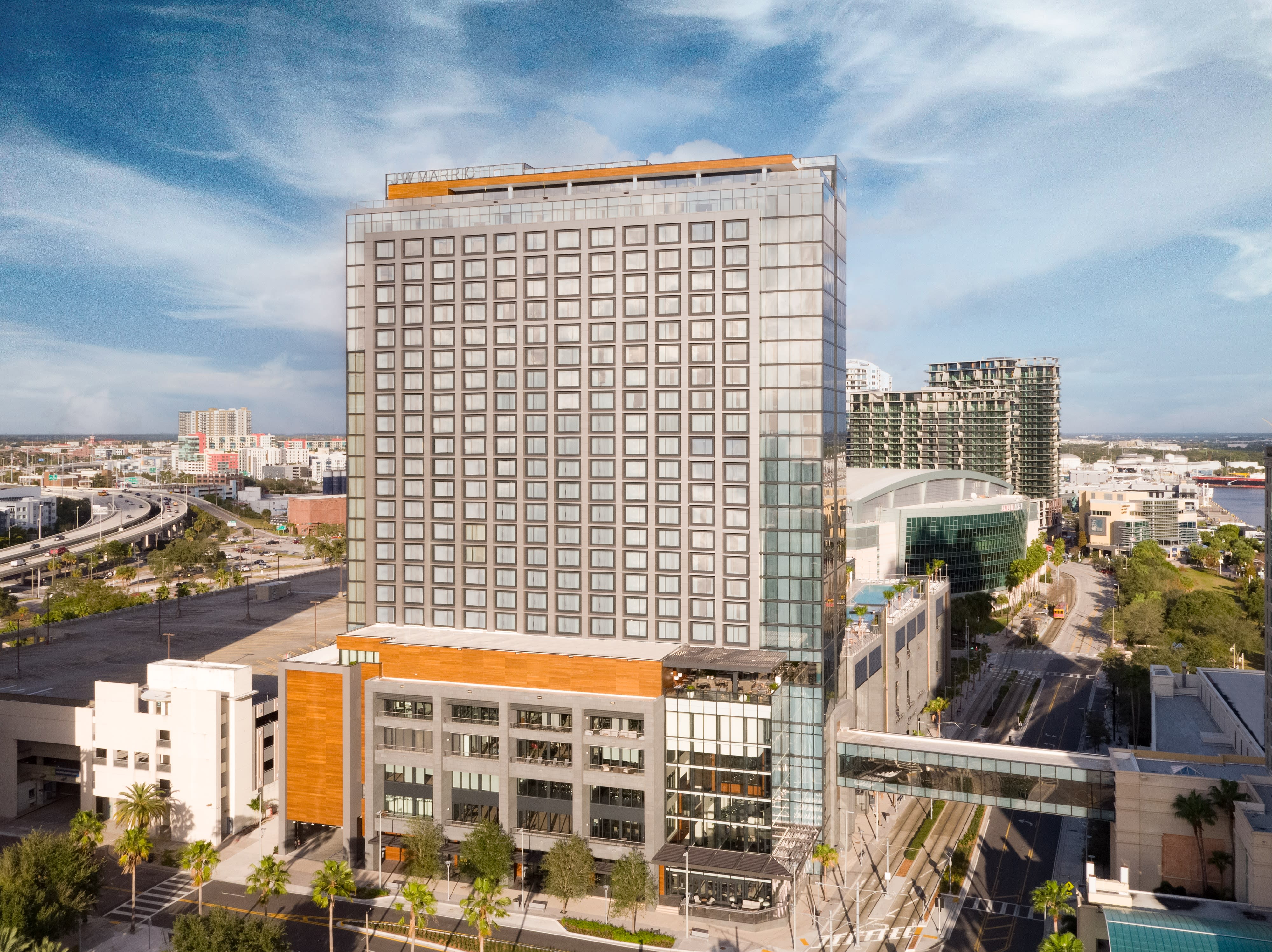
Water Street Tampa venue district

Start the conversation

Brief lakeland, fl with the venue, timing, and support mix already on the table.

That makes it easier to decide what should be custom, what should be rented, how the work should be staged, and who needs to own the next move.

Get in touch